Electrical safety is crucial for every homeowner. Understanding how to manage your home's electrical system can help prevent hazards, minimize downtime, mitigate damages, and ensure the well-being of your family. At King Electrical Services, we specialize in emergency electrical services in Greensboro, High Point, Winston-Salem and the remaining Triad area of North Carolina, helping residents stay safe and informed about their electrical needs. Here are some essential electrical safety tips we feel every homeowner should know.
Electrical Safety Tips Every Homeowner Should Know
King Electrical Services
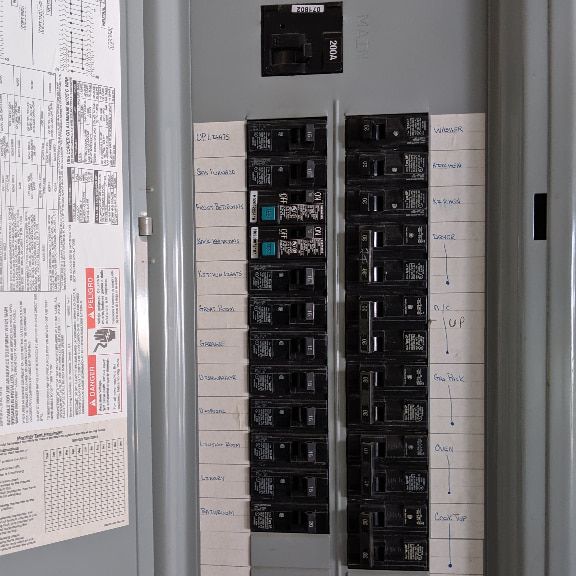
Know Your Electrical System Before an Emergency Happens
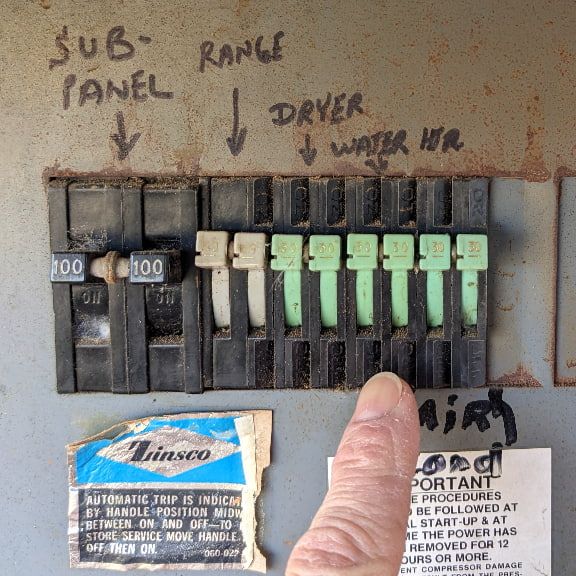
Familiarize yourself with your home’s electrical layout so you know exactly where your main service panel, subpanels, and breakers are located. This knowledge is crucial, especially during an electrical emergency. Take time to follow the power’s path—from the meter to your main panel, and from there to any subpanels. Be sure the labeling is accurate—if something seems off, or if you’re unsure, don’t wait. Contact a licensed electrician for a professional assessment. Being prepared—knowing your main disconnect, and how each breaker routes power—can make all the difference. Keep a flashlight nearby and stay calm—when you know your system, you can act quickly and safely.
Recognize Warning Signs of Electrical Problems
Recognizing the early warning signs of an electrical problem can help prevent costly repairs, power outages, and potentially dangerous situations. Electrical components should generally remain cool to the touch and operate consistently. If an outlet, switch, cord, plug, or breaker begins behaving differently than normal, it should not be ignored.
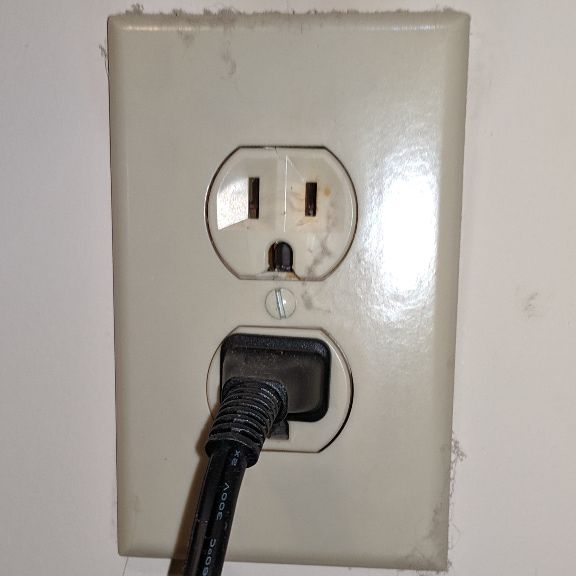
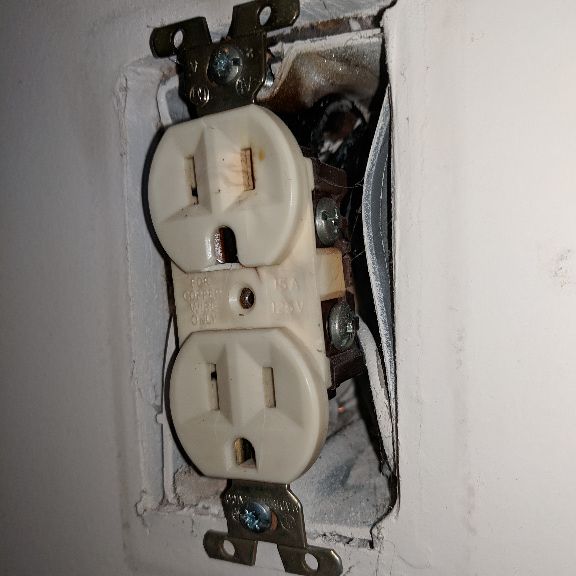
Watch for signs such as discoloration around outlets or switches, buzzing or crackling sounds, burning odors, flickering lights, warm cover plates, or breakers that trip repeatedly. If a plug feels loose, falls out easily, or only works when moved into a certain position, the receptacle may have worn contacts or a loose connection behind it. These conditions can create heat and electrical arcing, which can damage wiring and electrical devices over time.
Homeowners should also pay attention to outlets or switches that stop working. Even if the device is rarely used, it may still be part of a larger circuit and could indicate a loose connection elsewhere in the electrical system. Ignoring the problem because an outlet is not needed does not eliminate the hazard.
When electrical devices show signs of overheating, discoloration, unusual operation, or intermittent performance, it is best to have them inspected by a licensed electrician. Addressing small issues early is often safer and less expensive than waiting for a complete failure or emergency repair.
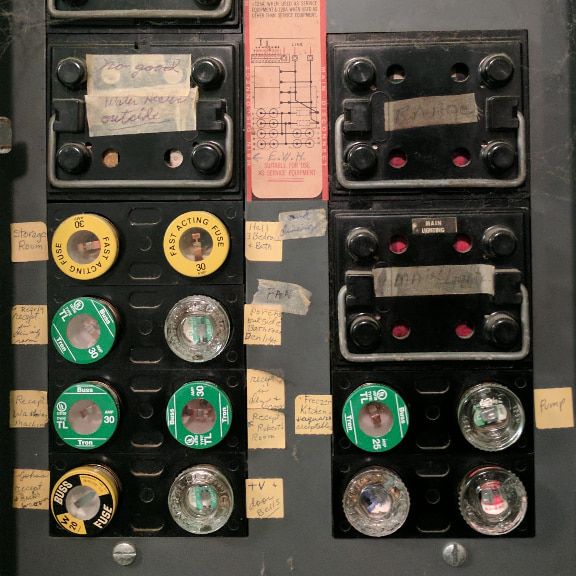
Avoid Overfusing and Follow Wattage Limits
Overfusing is one of the most dangerous electrical mistakes a homeowner can make. It occurs when a breaker or fuse is replaced with a larger size than the wiring was designed to be protected by. While this may temporarily stop nuisance tripping, it can allow wiring to overheat without adequate protection, creating a serious fire hazard. If a breaker trips repeatedly or a fuse continues to blow, the proper solution is to identify and correct the underlying problem rather than increasing the size of the overcurrent protection device.
It is also important to follow manufacturer wattage limits for lighting fixtures and lamps. Most fixtures are marked with a maximum wattage rating that should never be exceeded. Using the correct type and wattage bulb helps prevent excessive heat buildup and reduces the risk of damage to the fixture. Modern LED bulbs are often an excellent choice because they provide ample light while consuming significantly less power than traditional incandescent bulbs.
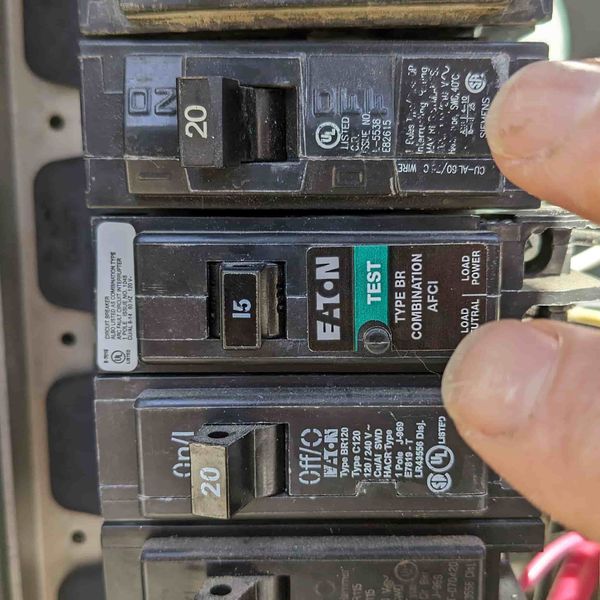
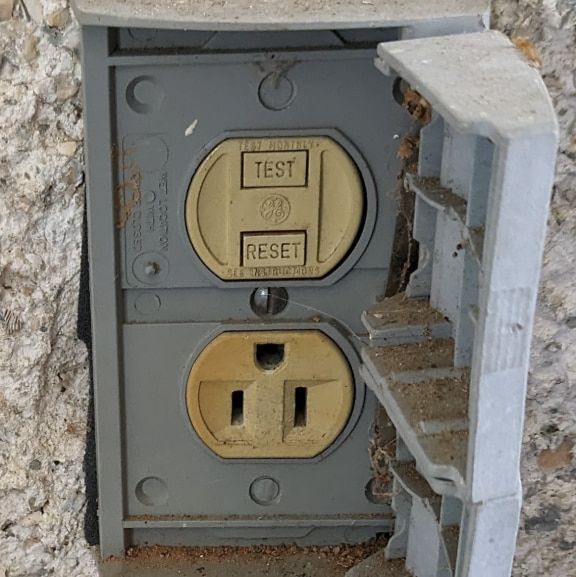
Test GFCI and AFCI Protection Regularly
GFCI and AFCI protection are two of the most important electrical safety advancements found in modern homes. A Ground Fault Circuit Interrupter (GFCI) is designed to help protect people from electrical shock and electrocution. These devices are commonly found in kitchens, bathrooms, garages, basements, outdoor locations, and other areas where electricity and moisture may be present. If a GFCI detects an unsafe condition, it can disconnect power in a fraction of a second.
An Arc Fault Circuit Interrupter (AFCI) serves a different purpose. AFCI protection is designed to help prevent electrical fires by detecting dangerous electrical arcing that can occur from damaged wiring, loose connections, or deteriorated electrical components. Rather than responding after a fire has started, AFCI protection helps prevent one from occurring in the first place.
We recommend testing all GFCI outlets and AFCI breakers monthly by pressing the TEST button and verifying that the device trips properly. A simple way to remember is to test them on the first day of each month. If a device fails to trip, will not reset, or operates unexpectedly, it should be inspected and replaced as needed to ensure your home remains protected.
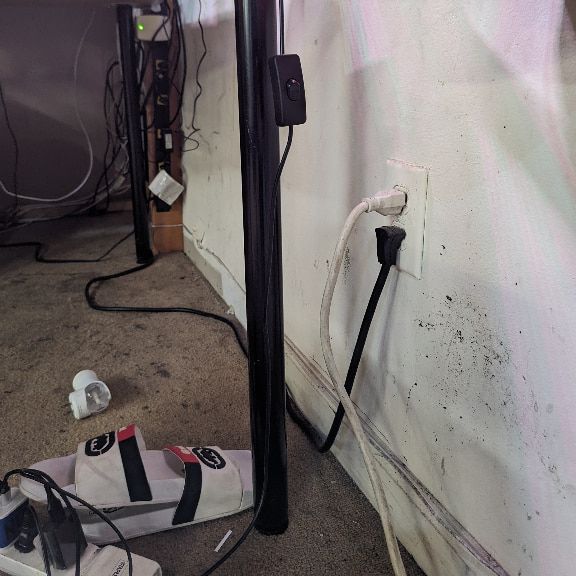
Avoid Overloading Circuits and Power Strips
Power strips and surge protectors can be convenient, but they should not be used to supply more electrical load than a circuit was designed to handle. While many modern electronics such as computers, monitors, printers, routers, and phone chargers use relatively little electricity, larger appliances and heating devices can quickly increase the demand on a circuit.
The number of devices plugged into a power strip is not always the concern. What matters most is the total electrical load being placed on the circuit. Space heaters, portable air conditioners, hair dryers, vacuum cleaners, and other high-wattage appliances can draw significant amounts of power and may overload a circuit if used alongside other equipment.
Regularly inspect power strips, surge protectors, cords, and plugs for signs of damage, overheating, discoloration, or loose connections. If a power strip becomes hot, operates intermittently, or appears damaged, discontinue use and replace it. Paying attention to electrical loads and maintaining safe connections can help prevent nuisance breaker trips, overheating, and unnecessary wear on your home's electrical system.
Replace Outdated Electrical Equipment
Like any electrical device, the components that make up your home's electrical system wear over time. Electrical panels, breakers, outlets, switches, surge protectors, and safety devices are all subject to aging and repeated use. Homeowners should watch for signs of wear such as discoloration, corrosion, loose outlets, switches that operate inconsistently, breakers that trip repeatedly, or equipment that appears outdated.
Smoke alarms should not be overlooked. The National Fire Protection Association (NFPA) recommends replacing smoke alarms after 10 years of service. All smoke alarms should be dated, tested regularly, and replaced if they fail testing or show signs of malfunction. Keeping electrical equipment and safety devices in good condition is one of the simplest ways to improve the safety and reliability of your home's electrical system.
Replace Electrical Panels Known as High-Risk Fire Hazards
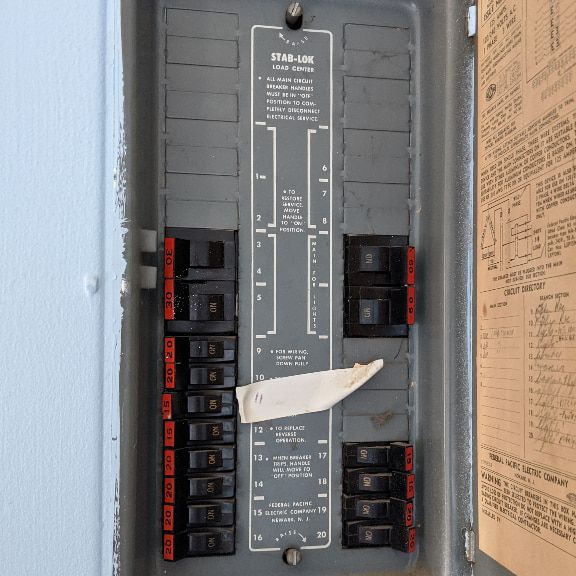
Certain electrical panels have developed a reputation for safety concerns and are widely recognized within the electrical industry as candidates for replacement. Federal Pacific Electric (FPE) Stab-Lok panels, Sylvania Zinsco panels, some Challenger panels, split-bus panels, and older fuse boxes are among the most commonly identified examples. While some of these systems may still appear to function normally, age alone does not guarantee safety or reliability.
Federal Pacific Stab-Lok panels have been the subject of concern for decades because breakers may fail to trip during an overload or short-circuit condition. Zinsco panels are known for issues involving the connection between breakers and bus bars, which can lead to overheating and equipment damage. Older fuse boxes present additional concerns, particularly when oversized fuses have been installed in circuits not designed to handle the increased electrical load.
If your home contains one of these electrical systems, we recommend having it evaluated by a licensed electrician. Modern electrical panels provide improved safety features, greater reliability, and compatibility with today's electrical demands. Replacing known high-risk electrical equipment can be one of the most important safety improvements a homeowner makes.
Inspect Wiring and Electrical Connections
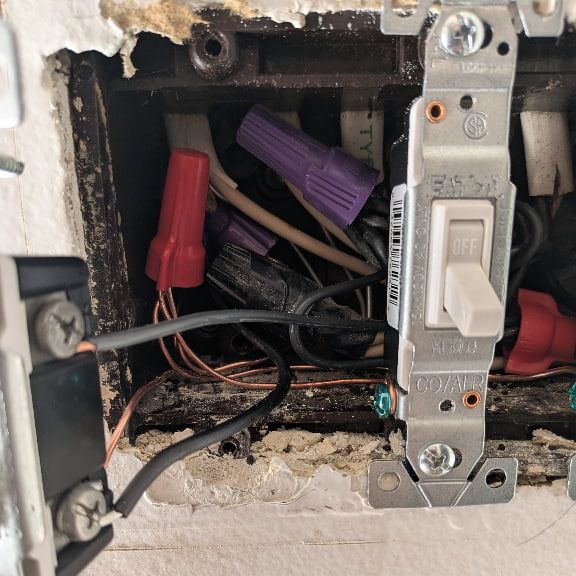
Electrical wiring and connections should be inspected periodically for signs of damage, deterioration, or improper installation. If you remove a cover plate and notice loose connections, damaged insulation, scorched wiring, excessive corrosion, or wiring that appears brittle or frayed, the circuit should be evaluated by a licensed electrician. Any exposed splices or wire connections should be contained within an approved electrical box and protected by a cover.
Homes with aluminum branch-circuit wiring require additional attention. Aluminum wiring can be used safely when proper devices and approved connection methods are installed and maintained. Because light fixtures and ceiling fans are manufactured with copper conductors, any home with aluminum wiring should have those connections evaluated periodically to ensure appropriate connectors and devices are in place.
If you discover a wiring issue in one location, it may be wise to have similar devices and connections throughout the home inspected as well. Identifying and correcting electrical connection problems early can help prevent overheating, arcing, and unexpected electrical failures.
Know When to Call 911
Electrical emergencies can occur suddenly and are often caused by storm damage, such as lightning strikes, downed power lines, or damage to the electrical service entering the home. When storms affect the electrical system, hazards may exist both inside and outside the home.
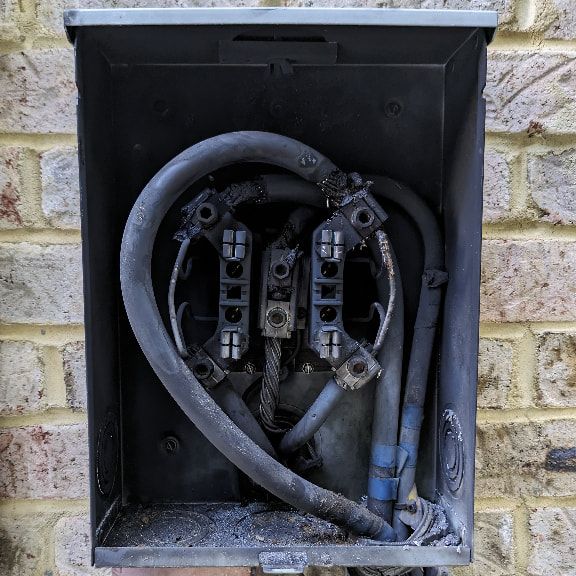
If you see a burning meter base, arcing equipment, smoke, or active fire at the electrical service, evacuate immediately and call 911. The electrical meter and incoming service lines remain energized even when breakers inside the home are turned off, making them extremely dangerous. Do not attempt to touch, move, or investigate any electrical equipment in these conditions.
Downed power lines outside the home are equally dangerous. Never go outside to inspect or approach fallen lines, even after emergency responders arrive. Fire departments and utility crews are trained to manage these situations safely and will secure the area.
If you are unsure whether a situation is an emergency, use caution. Active fire, visible arcing, or sparking lines require 911. Situations with no active fire but suspected damage can be reported through non-emergency channels or your utility provider. When in doubt, stay inside and wait for professional assistance.
Frequently Asked Home Electrical Safety Questions
- How often should a home have an electrical inspection? We recommend having a home inspected by a licensed electrical contractor before purchasing it whenever possible. This helps ensure the electrical system is properly evaluated by someone who specializes in electrical safety and can identify issues that may not be caught in a general home inspection. A follow-up inspection every 3–5 years is typically sufficient under normal conditions.
- How do I know if my electrical panel needs to be replaced? Factors that determine when it is time to replace or upgrade an electrical panel include design flaws, outdated construction, length of service, serviceability, and future electrical demand. Sylvania Zinsco, Federal Pacific “Stab-Lok,” fuse boxes, split-bus panels, and some Challenger brand panels are considered fire hazards and should be replaced immediately.
Outside of these specific types, panels showing signs of corrosion, overheating, damage, or general deterioration should also be evaluated. Panels that are overloaded, have excessive conductor fill beyond box capacity, or have no remaining capacity for additional circuits needed for future growth may also require replacement or upgrading. If there is any uncertainty about the condition or safety of a panel, it should be inspected by a licensed electrician to determine whether replacement is necessary.
- How often should outlets and switches be replaced? Standard residential switches and receptacles typically last 15–20 years under normal use. High-use locations such as kitchens, bathrooms, and frequently used receptacles, as well as GFCI devices, may require replacement closer to 8–10 years depending on wear and usage.
Outlets and switches should also be replaced sooner if they show signs of poor connections or installation issues, such as loose terminations, improper wiring, mixed or incompatible copper and aluminum connections, or signs of overheating or mechanical stress on the device. GFCI devices that fail to reset or do not respond as intended should also be replaced. Any outlet showing looseness, discoloration, burning smell, cracking, or failure to maintain a solid connection should be replaced, as these conditions increase the risk of arcing and electrical failure.
- Why does my circuit breaker keep tripping? In most cases, when a circuit breaker keeps tripping, it is operating exactly as designed to protect the electrical system. Breakers are safety devices that shut off power when they detect conditions such as overcurrent (too many loads on a circuit), short circuits, ground faults, or arc faults.
It may also trip due to a damaged appliance, faulty cord, or failing device connected to the circuit. In some cases, hidden wiring damage can be the cause. If the breaker feels warm, or there is any burning smell or visible signs of damage, it should not be reset. Repeated tripping can indicate an active fault that needs to be located and repaired. While less common, the breaker itself can fail, but this is typically only determined after other causes have been ruled out. If the cause is unknown or the breaker continues to trip, the circuit should be inspected by a licensed electrician.
- What should I do if I smell something burning from an outlet or electrical panel? If you smell burning from an outlet or electrical panel, treat it as a serious electrical hazard. If it is safe to do so, turn off individual circuit breakers first, then switch off the main breaker. Avoid touching any exposed metal parts inside the panel and only operate breaker handles using dry hands.
If the burning smell is coming from a specific outlet or area, shut off the affected circuit immediately. If smoke, sparks, or active burning are present, leave the area and call 911. If the smell persists after power is shut off, do not attempt to re-energize the system. The issue should be inspected and repaired by a licensed electrician before power is restored.
- Should "self-testing" GFCI and AFCI outlets and breakers still be tested manually? Yes. Even “self-testing” GFCI devices should be tested manually on a regular basis, in accordance with manufacturer’s instructions, to confirm proper operation.
- How often should smoke detectors be replaced? The NFPA (National Fire Protection Agency) recommends replacing smoke detectors every ten years. We recommend every seven as we see some failures beginning to occur around the 8-year mark.
- Is aluminum wiring dangerous? Aluminum wiring can present safety concerns if it is not properly maintained or updated. Most lighting fixtures, ceiling fans, and modern devices are manufactured with copper wiring, which requires approved aluminum-to-copper rated connectors or proper termination methods when connected to aluminum branch wiring.
When aluminum wiring is present, all device connections, including switches, receptacles, lighting fixtures, and ceiling fans, should be evaluated to ensure they are properly terminated using approved connectors or compatible devices designed for aluminum wiring. While aluminum wiring can be made safer when correctly installed and maintained, it carries a higher risk of loose connections and overheating compared to copper wiring. For this reason, it should be inspected and corrected by a licensed electrician when present.
- What should I do if an outlet stops working? A non-working outlet should be inspected and repaired by a licensed electrician as soon as possible. It typically indicates a loose or failed connection where a potential for arcing and overheating exists, making it an active fire hazard that should never be ignored.
Schedule Your Electrical Inspection Today
Electrical hazards are not always obvious. Loose connections, outdated panels, worn outlets, overloaded circuits, and faulty safety devices can exist for years before a problem becomes visible. A professional inspection can help identify potential issues before they lead to power outages, equipment damage, or emergency repairs.
King Electrical Services provides residential electrical inspections, troubleshooting, repairs, panel upgrades, and 24-hour emergency electrical service throughout the Triad area of central North Carolina. If you have questions about your home's electrical system or would like peace of mind that everything is operating safely, contact us today to schedule an electrical inspection.