When it comes to electrical safety and functionality, replacing your electrical panel is a critical task that shouldn’t be taken lightly. If you’re considering an electrical panel replacement in Greensboro, North Carolina, or the surrounding Triad area, remember this is a major investment. A properly installed panel can mean the difference between lasting 20 to 25 years or the full 40. Avoiding common pitfalls can prevent costly mistakes and safety risks. Here are some common mistakes to steer clear of during your electrical panel upgrade or replacement.
Common Mistakes to Avoid During Electrical Panel Replacement
by King Electrical Services
Neglecting to Hire Professionals
One of the most significant mistakes homeowners make is attempting to replace their electrical panel without professional help. While DIY projects can be rewarding, this is not a job for the unqualified. Electrical panel replacements require licensed, experienced electricians to ensure safety, compliance with local codes, and a properly executed upgrade. Trusting professionals, such as King Electrical Services, helps protect your home, your investment, and ensures the longevity of your system.
Failing to Obtain Necessary Permits
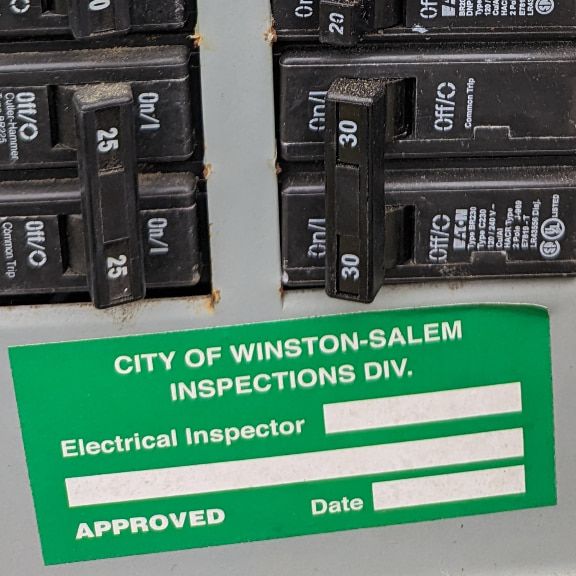
Many property owners underestimate the importance of securing permits when planning an electrical panel upgrade or replacement. A permit ensures your project meets safety standards, and without one, you risk serious complications, like insurance issues if a claim is made after an incident, or potential legal and financial troubles when selling your property. Always consult your electrician about the permits required so you can secure a safe, code-compliant upgrade.
Underestimating the Panel Capacity
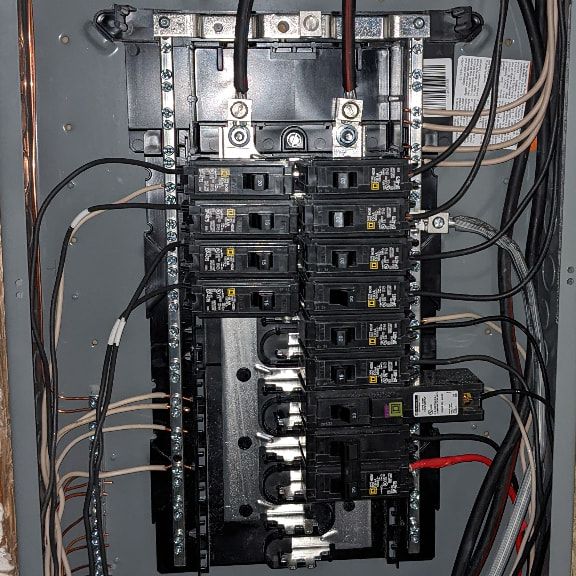
When upgrading your electrical panel, it’s vital to consider not just the amperage, but the entire capacity and conductor volume allowance. Overfilling the panel with too many conductors can lead to heat buildup and reduced serviceability. Even if a panel physically accepts tandem breakers, it’s not just about fitting them in, it’s about planning for future protection upgrades. Modern safety features like AFCI and GFCI breakers often come at a premium when configured as tandems. By accounting for conductor volume, load distribution, and future safety needs when selecting your electrical panel now, you avoid costly retrofits down the road. This all circles back to why hiring a qualified professional from the start is critical, so your panel not only meets today’s demands, but is ready for tomorrow’s advancements.
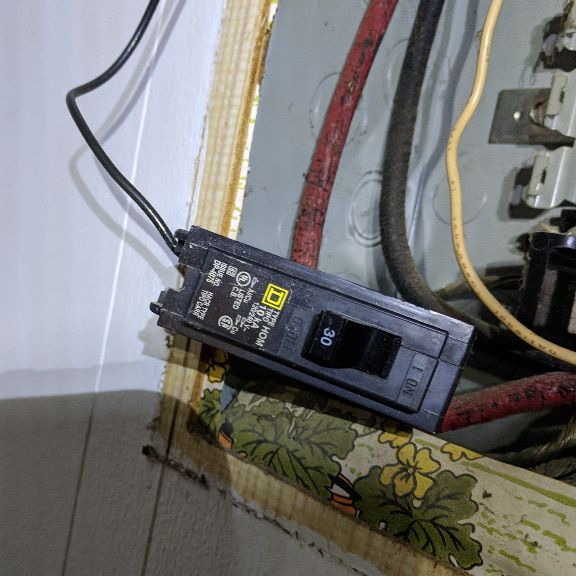
The Dangers of Overfusing: Why Correct Breaker Size Matters
One of the most common yet dangerous mistakes during panel replacement is overfusing. Homeowners may assume that simply matching the previous breaker size is safe, but overfusing allows too much current to flow, risking overheated wiring and fire hazards. Remember, your breaker sizing is meant to protect both the wiring and your equipment. Ensure each circuit is fused according to the equipment’s nameplate rating. This is why it’s crucial to rely on a professional, they can confirm that your HVAC, appliances, and all critical loads are properly protected, ensuring your investment is safely protected for the long term.
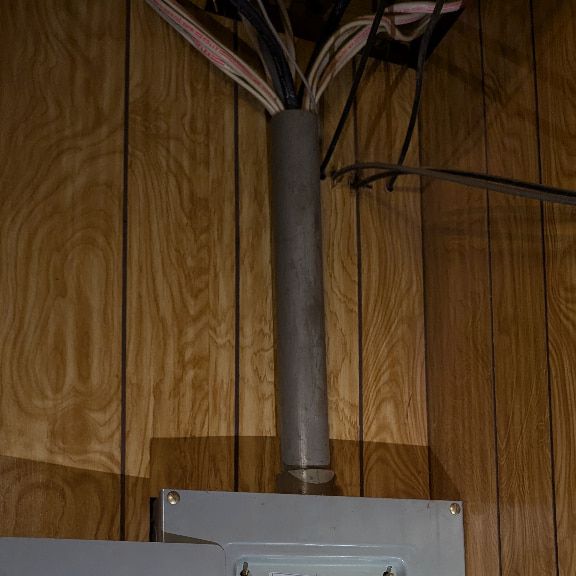
Poor Wiring and Connection Practices
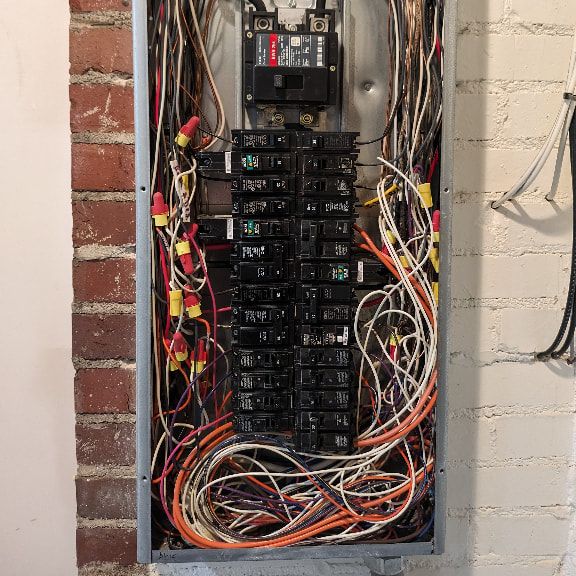
Often, property owners focus solely on the new panel, but the wiring connected to it is just as critical. Improper wiring at connections can stress lugs, whether they’re main lugs or lugs on a main breaker panel, causing premature failure. If the conductor is not properly formed, or too much excess conductor is left inside the enclosure, it can fight against the connection, leading to heat buildup and eventual faults, something we see far too often. Another frequent issue is failing to strip the conductor correctly, either too little, leading to poor continuity, or too much, creating a hazard with exposed conductors. Additionally, failing to correctly install or identify the equipment bonding screw can be devastating. The bonding screw should only be installed at a main service panel, unless bonding between the enclosure and the floating neutral bar is already factory installed, such as in meter/panel combination enclosures. These small wiring mistakes, like loose connections, inadequate stripping, or incorrect bonding, can undermine your entire system. In addition, old frayed or damaged wiring should be inspected for correction or replacement, if present. That’s why a professional evaluation of all wiring is essential... it’s the foundation of a safe, efficient, and long-lasting electrical system.
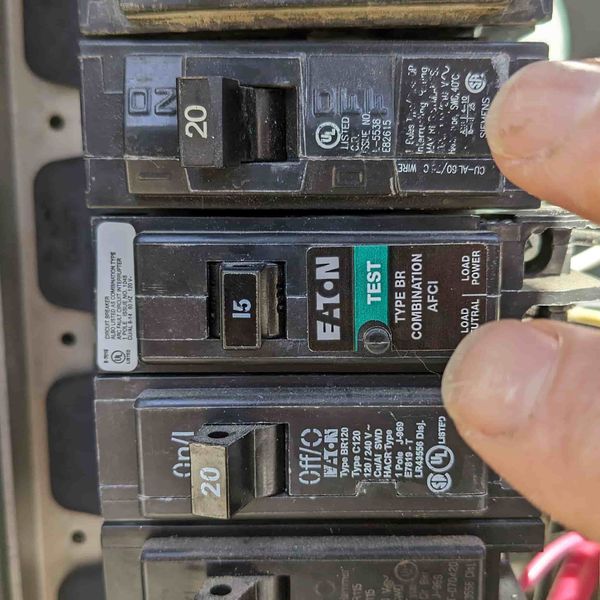
Failing or Not Planning to Implement Modern Circuit Protection Upgrades
One of the biggest mistakes property owners make during an electrical panel replacement is failing to plan for modern electrical safety upgrades. Your panel replacement is the ideal time to evaluate whether your home or building should be equipped with today's proven safety technologies.
- Arc Fault Circuit Interrupter (AFCI) protection helps reduce the risk of electrical fires by detecting dangerous arcing conditions before they become a serious hazard.
- Ground Fault Circuit Interrupter (GFCI) protection is designed to help protect people from electrical shock and electrocution in areas where electricity and moisture may come into contact. These protective devices are now required by electrical code in many locations for new construction, renovations, and when certain branch circuits are extended or modified. While electrical code establishes the minimum safety requirements, these devices have proven to significantly improve electrical safety and are worth considering whenever a panel is upgraded.
A panel replacement is also an excellent opportunity to consider whole-home surge protection to help protect appliances, electronics, HVAC equipment, and other sensitive electrical devices from damaging voltage spikes.
Finally, think beyond today's needs. Ask yourself whether you're prepared for an extended power outage. If your property depends on refrigerated medications such as insulin, medical equipment, a sump pump, or other critical electrical systems, now may be the most cost-effective time to plan for a standby generator or a properly installed portable generator connection. Planning for these future needs during a panel replacement can often reduce costs and help avoid additional modifications later.
Taking the time to evaluate these upgrades during a panel replacement helps ensure your investment is prepared not only for today's electrical demands, but for tomorrow's as well.
Frequently Asked Questions About Electrical Panel Replacement
- Can I replace my electrical panel myself? Electrical panel replacement is not a typical DIY project. It involves working around energized equipment, proper grounding and bonding, conductor sizing, breaker selection, and code compliance. Unless you are properly qualified and experienced, panel replacement is best left to a licensed electrician.
How do I know if my electrical panel is the right size? The correct panel size depends on more than just its amperage rating. Your current electrical load, future expansion plans, available circuit space, conductor fill, and plans for additions such as EV chargers, HVAC equipment, workshops, or standby generators should all be considered when selecting a new panel.
Should I replace my breakers when replacing my panel? In many cases, yes. A panel replacement is an excellent opportunity to verify that every breaker is correctly sized and that modern protection such as AFCI and GFCI breakers is installed where appropriate. It's also the ideal time to verify that connected equipment is properly protected according to its nameplate ratings.
Is a permit required to replace an electrical panel? In most areas, yes. Permit requirements vary by jurisdiction, but electrical panel replacements typically require permits and inspections to help ensure the installation complies with current safety standards and electrical codes.
Should I install whole-home surge protection during a panel replacement? Yes. Installing whole-home surge protection during a panel replacement is often one of the most cost-effective times to do so. It helps protect appliances, electronics, HVAC equipment, and other sensitive electrical devices from damaging voltage surges while work is already being performed inside the panel.
How long should a properly installed electrical panel last? A quality electrical panel that is properly installed, correctly protected, and maintained can often provide reliable service for decades. Avoiding common mistakes such as poor connections, overfusing, inadequate capacity planning, and improper installation practices helps maximize the life of your investment.
Schedule a Professional Consultation for Safe Panel Replacement
Replacing your electrical panel is a significant investment in your home’s safety and functionality. By avoiding these common mistakes, you can ensure a smooth upgrade process. For expert panel replacement services in the Triad, trust King Electrical Services. With our licensed professionals, your electrical needs will always be our top priority. Contact us today to get started!